
Introduction: Culture in Today’s World
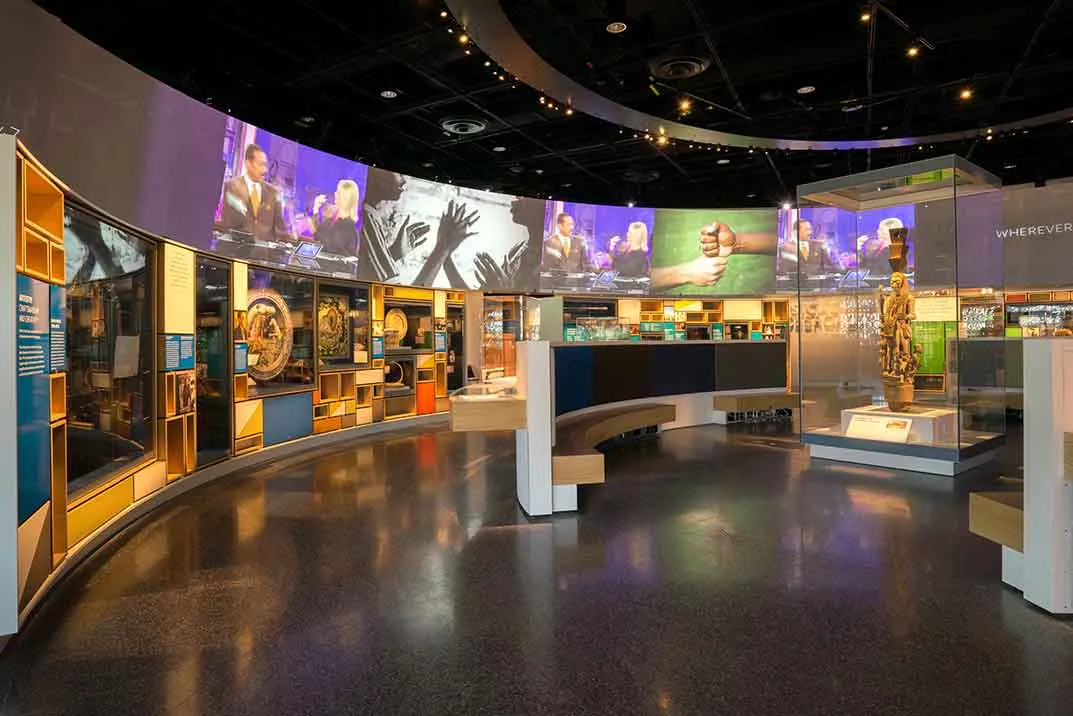
Culture constantly evolves through society, media, and technology. Terms like pop culture and cancel culture now appear regularly in everyday conversations. At the same time, cultural institutions such as the National Museum of African American History and Culture preserve important stories and historical experiences.
Understanding both modern trends and historical narratives helps people better interpret society and appreciate cultural heritage.
What Pop Culture Means and How It Affects Us
What Does Pop Culture Mean?
Pop culture, short for popular culture, refers to entertainment, trends, ideas, and styles widely followed by people at a certain time. It reflects what society currently enjoys and discusses.
Pop culture changes quickly as public interests shift.
Examples of Pop Culture
Common examples include:
-
Popular movies and streaming series
-
Viral songs and music trends
-
Celebrity news and social media trends
-
Youth fashion and lifestyle trends
-
Sports events and gaming communities
Television and online platforms help pop culture spread rapidly worldwide.
How Pop Culture Influences Society
Pop culture impacts society in several ways:
-
Influences fashion and lifestyle choices
-
Shapes language and communication trends
-
Affects public opinions and social behavior
-
Drives entertainment industries
Youth culture, in particular, is strongly shaped by pop culture.
Pop Culture in the Digital Age
Social media has accelerated pop culture movements. Viral videos, memes, and influencers quickly shape global discussions.
Digital platforms allow trends to spread worldwide within hours, making pop culture more dynamic than ever.
What Is Cancel Culture?
Understanding the Concept
Cancel culture refers to situations where public figures, companies, or individuals face social or professional backlash after being accused of problematic actions or statements.
This reaction often happens through social media campaigns.
How Cancel Culture Works
When controversies arise, people may:
-
Demand apologies or accountability
-
Stop supporting an individual or brand
-
Encourage companies to cut partnerships
-
Participate in public criticism or boycotts
Social media platforms often drive these responses.
Supporters of Cancel Culture
Some people believe cancel culture promotes accountability. They argue it gives communities the power to challenge harmful behavior and demand responsibility.
Critics of Cancel Culture
Critics argue cancel culture can lead to harsh judgments without full context. They worry that individuals may be judged too quickly or without opportunities for growth or correction.
Debates around cancel culture often revolve around fairness and accountability.
Impact of Cancel Culture on Society
Cancel culture influences how celebrities, brands, and public figures communicate and behave. Many now act cautiously due to potential public reaction.
Understanding cancel culture helps individuals participate responsibly in online discussions.
National Museum of African American History and Culture
What Is the Museum?
The National Museum of African American History and Culture is dedicated to preserving and presenting African American history, culture, and contributions in the United States.
It tells stories of struggle, achievement, resilience, and influence throughout history.
Purpose of the Museum
The museum aims to:
-
Preserve African American history
-
Educate visitors about cultural contributions
-
Highlight civil rights movements and social progress
-
Celebrate achievements in arts, sports, science, and politics
It plays a major role in cultural education and historical understanding.
Exhibits and Collections
The museum includes:
-
Historical documents and artifacts
-
Exhibits about slavery and civil rights movements
-
Displays of music, art, and literature
-
Stories of political and social change
Visitors gain insight into the experiences and contributions of African Americans.
Importance in Cultural Education
The museum helps people understand both the challenges and achievements of African American communities, encouraging awareness and inclusion.
Museums serve as essential institutions for preserving and teaching culture.
Pop Culture and Social Movements
Pop Culture Reflecting Social Issues
Modern pop culture frequently addresses topics such as equality, justice, and identity. Movies, music, and celebrities often influence public conversations.
Social Media and Public Opinion
Social media platforms shape debates about cancel culture and social issues. Public discussions can quickly influence opinions worldwide.
Role of Cultural Institutions
Museums and cultural institutions provide historical context and deeper understanding beyond fast-changing pop culture trends.
They help society learn from history while adapting to modern cultural changes.
Challenges in Modern Cultural Discussions
Spread of Misinformation
Social media sometimes spreads incomplete or inaccurate information, complicating discussions about cancel culture and social topics.
Cultural Sensitivity Issues
Pop culture can sometimes misrepresent communities or traditions, leading to debates about respectful representation.
Balancing Accountability and Fairness
Understanding cancel culture requires balancing responsibility with fairness and opportunities for learning and improvement.
Future Trends in Culture and Society
Growth of Digital Culture
Online platforms will continue influencing global pop culture and communication trends.
Increasing Cultural Awareness
Museums and cultural institutions are expanding digital access, allowing global audiences to learn about cultural history.
Responsible Online Engagement
Future discussions about cancel culture may focus more on dialogue and understanding rather than conflict.
How Individuals Can Contribute Positively
People can support cultural progress by:
-
Following pop culture trends responsibly
-
Understanding different viewpoints in debates
-
Learning from museums and cultural institutions
-
Respecting diverse cultural experiences
-
Participating in constructive online conversations
Positive engagement helps culture evolve inclusively.
Final Thoughts
Pop culture shapes entertainment, fashion, and public conversations worldwide. Discussions about cancel culture highlight how accountability works in the digital age.
At the same time, institutions like the National Museum of African American History and Culture preserve important historical narratives and contributions.
By understanding both modern cultural trends and historical heritage, people can better appreciate the diverse experiences that shape society today.

